Sleeping with a fan
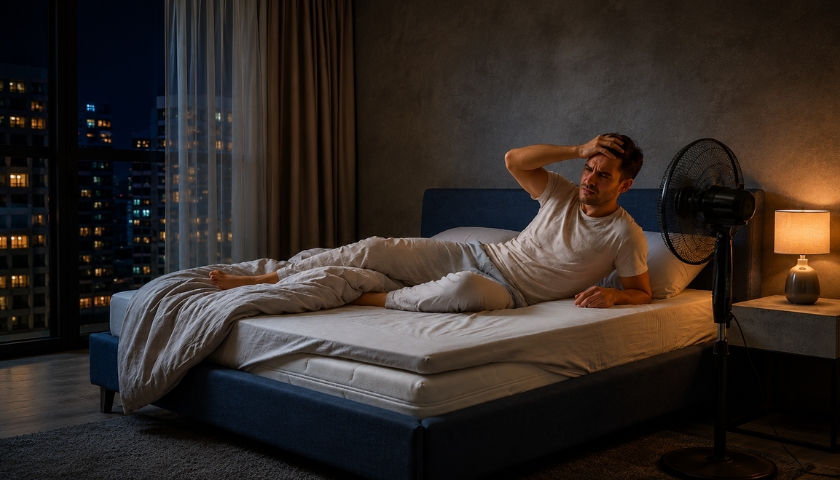
Sleeping with a fan can feel like the easiest fix on a warm night. The room feels lighter, the air moves, and that steady hum can make it easier to drift off. If you run hot while sleeping or hate stale bedroom air, a fan can genuinely help. But there’s a catch.
That same airflow can also leave some people waking up with a dry throat, stuffy nose, irritated eyes, or a stiff neck. So the question isn’t really whether sleeping with a fan is “good” or “bad.” It depends on how you use it, where it’s pointed, and how your body reacts.
Why sleeping with a fan helps some people
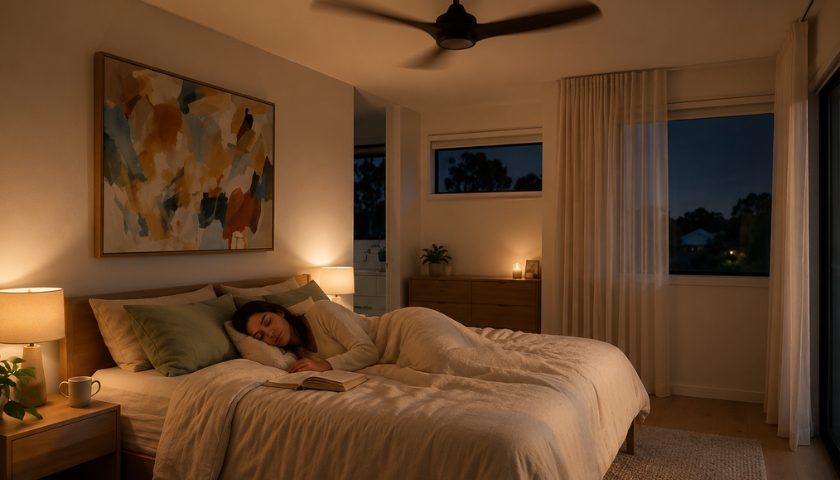
Sleeping with a fan can support better sleep hygiene because temperature plays a big role in how easily the body rests. During sleep, your body naturally cools down. A fan can help by improving nighttime air circulation and preventing the room from feeling heavy or humid.
That matters during warm weather. A cooler room may reduce sweating, tossing, and broken sleep. The steady sound also works like white noise sleeping support, masking traffic, barking dogs, hallway noise, or sudden sounds that might wake you up.
For many people, that soft background hum is calming. It creates routine. The brain starts connecting the sound with sleep. Fans benefit sleep most when they cool the room gently without blowing directly into the face all night.
How airflow affects your body temperature
The airflow effect on body temperature sleep is mostly about evaporation. Moving air helps sweat evaporate from the skin, which can make you feel cooler even if the actual room temperature hasn’t changed much.
That’s useful. If your bedroom gets warm, a fan may help you fall asleep faster and stay more comfortable. It can also reduce the need to crank up air conditioning, which may help keep the room from becoming too cold or too dry.
Still, too much direct airflow can chill one area of the body. If the fan blows on your neck, shoulders, or back for hours, muscles may tighten. That’s why some people connect sleeping with fan-joint stiffness to waking up sore or cramped.
 Sleep hygiene
Sleeping with a fan and your sinuses
Sleeping with a fan can affect your nose and throat because constant air movement dries moisture from the nasal passages. When the lining of the nose becomes too dry, the body may respond by producing extra mucus.
The result? Congestion. That is why sinus congestion fan complaints are common. You may go to bed breathing clearly and wake up with a blocked nose, scratchy throat, or dry mouth.
This does not happen to everyone. But people with allergies, asthma, sinus issues, or sensitive nasal passages may notice it more. If you already wake up with a dry throat, sleeping with a fan pointed directly at your face may make the irritation worse.
Allergies and bedroom air quality
Fans do not create dust, but they can move it around. If your fan blades, curtains, carpet, bedding, or shelves hold dust, pollen, pet hair, or dust mites, the moving air can send those particles into your breathing space.
That can trigger sneezing, itchy eyes, coughing, or a stuffy nose. Dust mite allergies may feel worse when airflow keeps particles circulating through the night. Bedroom air quality matters here. A clean room and clean fan can make a big difference. Overnight fan use is more likely to bother allergy-prone sleepers when the fan is dirty or placed near dusty furniture.
Common sleeping with fan side effects
Not everyone gets side effects, but these are the ones to watch for:
- Dry throat or dry mouth by morning
- Stuffy nose or sinus congestion
- Dry, irritated eyes
- Tight or dry skin
- Allergy flare-ups from dust movement
- Stiff neck, shoulders, or joints
- Chilled muscles from direct airflow
These symptoms are usually mild. Still, if they happen often, your fan setup may need adjusting.
How to use a fan safely at night
You do not need to stop using a fan completely. Small changes can reduce most problems. Place the fan away from your face. Use the oscillating setting so air moves around the room instead of blasting one spot all night. Clean fan blades regularly. Wash bedding often. Keep the floor and nearby surfaces dust-free.
A sleep timer also helps. Let the fan run while you fall asleep, then shut off after an hour or two. That gives you cooling comfort without hours of drying airflow. If your room feels dry, consider adding a bowl of water nearby or using a humidifier if appropriate. Just keep humidity balanced, because too much moisture can also encourage mold or dust mites.
Is it bad to sleep with a fan blowing directly on you?
For many people, it is not dangerous, but it may not be ideal. Direct airflow can dry your eyes, nose, throat, and skin. It can also cool muscles too much, especially if the room temperature drops overnight.
A better setup is angled airflow. Point the fan toward a wall, ceiling, or across the room. This keeps air moving without turning your body into the main target. That one change can make sleeping with a fan much more comfortable.
Conclusion
Sleeping with a fan can help you stay cool, sleep better, and enjoy steady white noise, especially during hot or humid nights. But direct airflow can also dry nasal passages, stir up allergens, irritate the throat, and leave some people feeling stiff by morning.
The healthiest approach is simple: clean the fan, keep it at a distance, use oscillation, avoid direct face-level airflow, and try a timer. If you wake up congested or dry every day, adjust the setup before blaming your sleep entirely. A fan can be helpful. It just needs to work with your body, not against it.